


Founder to CEO: The Structural Shift That Enables Scale
Moving from Entrepreneurial Instinct to Organisational Leadership
Founders build momentum through energy, instinct and proximity to detail. In the early stages of a business, that proximity is a strength. Decisions are fast. Direction is clear. Accountability is obvious because it sits in one place.
Scaling requires something different.
As turnover increases, headcount expands and external stakeholders become involved, the founder-led model that once drove growth can begin to constrain it. Centralised decision-making creates speed at the start. Over time, it creates dependency.
The transition from founder to CEO is one of the most critical structural shifts in a company’s lifecycle. It is not simply a change in title. It is a shift from instinct-led leadership to system-led governance.
The pattern is familiar in growth-stage and privately owned businesses. Senior hires still look upward before committing. Strategic conversations revolve around the founder’s perspective rather than disciplined process. Significant decisions continue to require personal approval. Growth slows, not because the market has tightened, but because authority has not been distributed.
Professionalisation is often misunderstood. It is not about diluting entrepreneurial drive. It is about strengthening leadership architecture so the organisation can scale without fragility.
Corporate governance becomes increasingly important at this stage. Clear executive roles, defined performance reporting and aligned accountability structures are not bureaucracy. They are the foundations of sustainable growth. Without them, succession planning becomes difficult, board effectiveness weakens and investor confidence is harder to secure.
In my executive coaching UK work with founders, growth-stage companies and private equity-backed organisations, the most significant breakthroughs rarely come from revisiting strategy. They come from redesigning leadership structure. Clarifying decision rights. Strengthening the executive team. Building governance frameworks that match the complexity of the business.
Letting go of operational control does not reduce influence. It strengthens strategic authority. A founder who moves successfully into the CEO role shifts from being the engine of the business to being its architect.
If your organisation still revolves around you, the issue is not capability. It is concentration of risk.
Scaling requires leadership maturity as much as commercial ambition.
If you are navigating growth, preparing for investment, considering succession planning or reviewing board structure, a deliberate transition from founder to CEO can determine whether scale becomes sustainable. As a board adviser, Non-Executive Director and executive coach, I support founders and senior leaders in designing governance and leadership structures that enable scale without sacrificing clarity or culture. Let’s talk.

Decision Fatigue at Board Level: Protecting Strategic Judgement in Complex Organisations
At board level, leaders make high-stakes decisions every day. Capital allocation. Executive appointments. Regulatory interpretation. Commercial risk. Strategic pivots. The problem is not the weight of those decisions. It is what happens when everything becomes a board decision.
At board level, leaders make high-stakes decisions every day. Capital allocation. Executive appointments. Regulatory interpretation. Commercial risk. Strategic pivots.
These are not routine operational calls. They shape the direction, resilience and long-term performance of the organisation.
The problem is not the weight of those decisions. It is what happens when everything becomes a board decision.
In many organisations, escalation slowly becomes cultural. Issues that should be resolved lower down the structure are pushed upward. Discussions that belong in management forums arrive in the board pack. Over time, cognitive overload becomes normalised.
The symptoms are rarely dramatic. Meetings stretch longer than they should. Conversations circle back to previously settled ground. Risk appetite shifts subtly depending on pressure. Strategic clarity feels harder to maintain. Decisions become more defensive than deliberate.
This is not a question of competence. It is a question of governance architecture.
Board effectiveness depends on disciplined design. If decision rights are unclear, escalation thresholds undefined and delegation poorly reinforced, the board becomes reactive. Operational noise crowds out strategic oversight. Oversight begins to look like involvement.
Strong corporate governance protects thinking capacity. It ensures that the board focuses on direction, performance, risk and culture rather than being pulled into routine management detail. It creates clear boundaries between oversight and execution, not to distance the board from reality, but to preserve judgement.
In executive coaching UK engagements, I often find that senior leaders do not lack capability or resilience. What they lack is structural protection from overload. Redesigning decision flow, clarifying authority and tightening escalation discipline frequently restores clarity far more effectively than revisiting strategy itself.
Judgement deteriorates under sustained strain long before performance visibly declines. By the time results are affected, the structural issues have often been present for months.
If your board feels busy but not clear, decisive but not consistently aligned, it may not be a talent issue. It may be that governance discipline has not evolved with organisational complexity.
Strengthening board effectiveness is rarely about adding more discussion. It is about refining how and where decisions are made.
If you would like to review how decision architecture is operating in your organisation, or explore how executive coaching or board advisory input could strengthen corporate governance at senior level, I am happy to have a confidential conversation. Let’s talk.

Strategy Is Useless Without Decision Discipline
Every business claims to have strategy.
Fewer have disciplined decision-making.
In boardrooms, I see three recurring patterns:
Over-analysis.
Consensus seeking.
Urgency-driven impulse.
None of them consistently produce strong outcomes.
Speed Is Not Strength
I once sat in a strategy session where international expansion was approved within half an hour.
Energy was high. Challenge was limited.
Twelve months later, operational strain and margin erosion told a different story.
Contrast that with another board I advise. Before major commitments, we ask:
What assumptions are we making?
What would cause this to fail?
What data are we missing?
It slows the discussion slightly. It strengthens outcomes significantly.
Data Can Distract
I worked with an executive team drowning in reports. Dashboards everywhere. Decisions nowhere.
When we stripped it back, three metrics drove profitability. Everything else was noise.
Clarity is not about volume. It is about focus.
Culture Shapes Decision Quality
In one organisation I advised, dissent was discouraged subtly. Meetings were smooth. Mistakes were expensive.
In another board environment, structured challenge was expected. Tension existed. Decisions were stronger.
Decision discipline is not personality. It is structure.
Ask yourself:
Do your teams feel safe challenging you?
Do you revisit decisions when evidence changes?
Are you decisive, or simply busy analysing?
If you want to elevate decision quality at founder, executive or board level, I work with leaders who understand that disciplined thinking is competitive advantage.
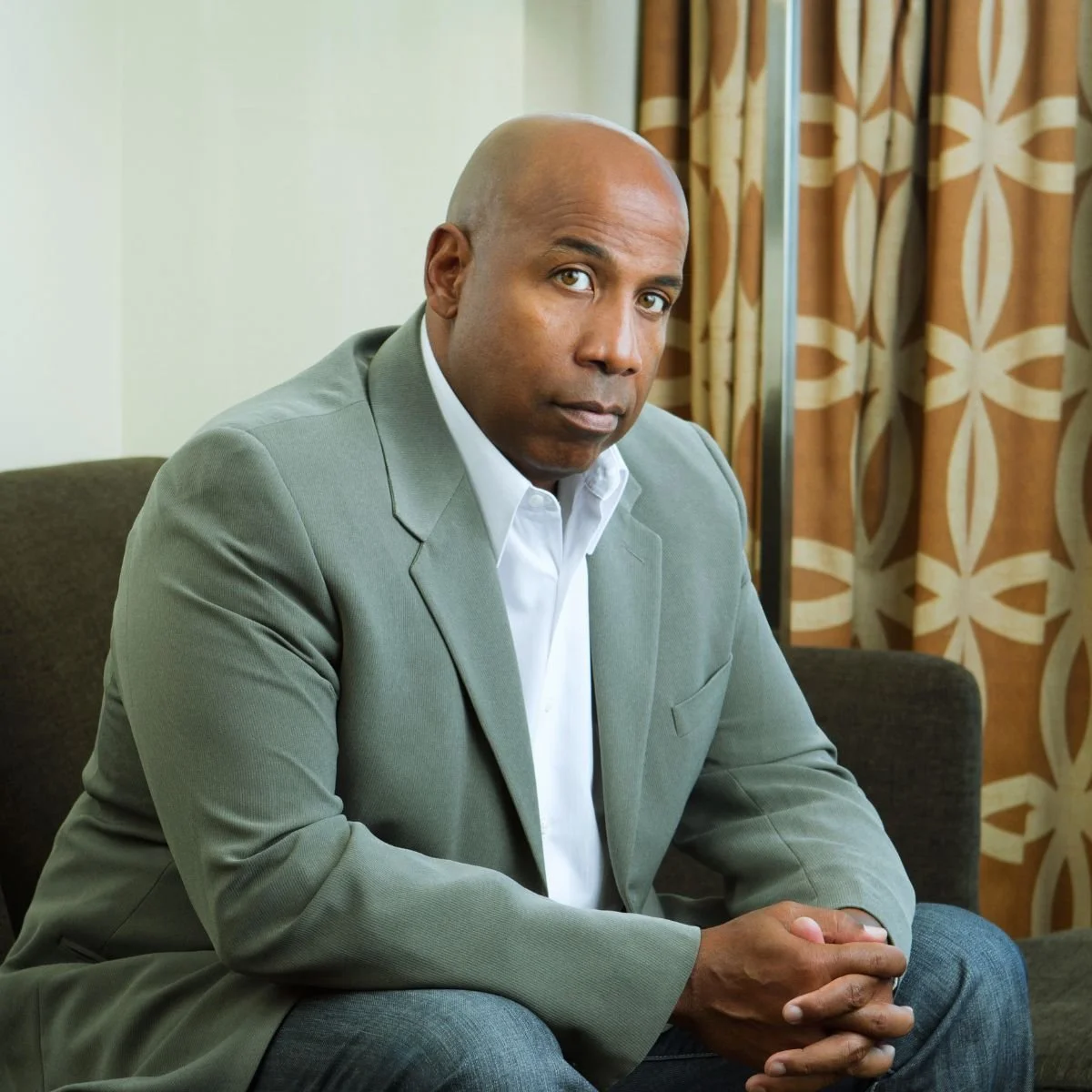
The Loneliest Role in the Business
The more senior you become, the fewer places you can think out loud safely. This is rarely discussed openly.
The more senior you become, the fewer places you can think out loud safely.
This is rarely discussed openly.
At executive level, you are expected to project certainty. Calm. Direction.
But leadership is rarely tidy.
I have worked with founders who privately questioned strategic hires but felt unable to voice doubt for fear of destabilising investors.
I have coached CEOs who carried restructuring decisions for months because they did not want to signal instability.
Isolation does not look dramatic. It looks like hesitation.
Filtering Becomes Heavy
One CEO I worked with rehearsed every sentence before town halls. He believed uncertainty would erode confidence and by year-end, he was exhausted.
When we reframed how he communicated risk, something shifted. Rather than masking difficulty, he articulated it clearly and calmly. Confidence increased rather than declined.
Isolation often stems from over-control.
Who do you allow to challenge your thinking without political consequence?
Isolation Is Commercially Risky
Unchecked thinking becomes fragile thinking.
When leaders lack a safe space to examine assumptions, delay increases. Risk compounds. Decision quality softens. The irony is that capable leaders become isolated precisely because they are competent. People defer. Teams assume certainty. Boards assume clarity.
Where do you interrogate your own judgement before it reaches the room?
Executive coaching, done properly, is disciplined strategic reflection.
If you are carrying decisions alone that deserve sharper examination, that is where I can help.

Reputation Is a Commercial Asset. Treat It Like One.
There is an uncomfortable truth at senior level. Your reputation matters more than your results.
There is an uncomfortable truth at senior level.
Your reputation matters more than your results.
Not because performance is irrelevant. Quite the opposite. But because performance is interpreted through the lens of credibility.
I have sat in boardrooms where two leaders delivered similar numbers. One was trusted implicitly. The other was scrutinised relentlessly.
The difference was not intelligence. It was reputation capital.
Reputation Is Built in Pressure Moments
I once worked with a founder who consistently presented optimistic forecasts. He wasn’t careless. He was ambitious.
But in board updates, pipeline was framed as certainty rather than probability.
When a large contract slipped, the financial impact was manageable. The perception shift was not. Board members began interrogating assumptions more closely. Confidence softened.
Nothing dramatic happened. Trust simply became conditional.
Reputation rarely collapses overnight. It erodes through small patterns.
How do you frame risk?
How do you respond to challenge?
Do you over-sell upside and understate uncertainty?
Those behaviours shape how you are viewed long before a crisis appears.
Visibility Is Not Credibility
In another situation, a CEO presented a bold expansion strategy. When questioned on cash exposure, he defended the plan instinctively.
A different leader I advise handled similar scrutiny differently. He paused, invited modelling, and asked for counterarguments before refining the proposal.
Same ambition. Different authority.
Boards are not looking for perfection. They are looking for judgement.
Repairing Reputation
I have also worked with leaders who felt confidence in them dip.
One managing director prematurely announced a partnership before legal terms were secure. When the deal stalled, he chose not to justify the decision. Instead, he tightened forecasting discipline and reframed how future opportunities were communicated.
Over time, trust rebuilt.
Reputation strengthens when behaviour changes consistently.
Ask yourself this:
If your performance dipped next quarter, would stakeholders lean in with support or lean back with scrutiny?
At founder, executive and board level, reputation is not vanity. It is commercial leverage.
If you want to strengthen how you are perceived in high-stakes environments, I work with leaders who understand that credibility is earned long before it is tested.
Book a call with me and let’s talk.

Keeping up with statutory changes when everything is speeding up
Keeping up with statutory and regulatory change can feel relentless. Employment law shifts, governance expectations evolve, reporting requirements expand, and guidance is updated just as you think you have caught up.
Keeping up with statutory and regulatory changes can feel relentless. Employment law shifts, governance expectations evolve, reporting requirements expand, and guidance is updated just as you think you have caught up.
This is not about poor organisation. The pace of change in the business world has genuinely accelerated. The real risk is not missing the odd update, it is becoming overwhelmed, reactive or quietly unsure whether you are still compliant at all.
The issue is rarely information. It is judgement.
Most leaders are not short of updates. Briefings land from advisors, trade bodies and regulators with impressive regularity.
What I see leaders struggle with is deciding what actually matters. Not every change carries the same risk. Some need immediate action. Others need monitoring. Some look urgent but have little practical impact.
The challenge is cutting through the noise and resisting the temptation to treat everything as a fire.
Compliance no longer sits neatly in one place
Statutory change now touches every part of the organisation. Employment law shapes culture and retention. Governance expectations affect board behaviour and accountability. Reporting requirements influence strategy and investor confidence.
When compliance is treated as a tick-box exercise or pushed too far down the organisation, leaders lose visibility. That is when issues surface late, usually under pressure and scrutiny.
Effective leaders stay close enough to understand the implications without drowning in detail.
The cost of constant reaction
When everything feels urgent, decision-making suffers. Leaders respond late, rush choices or over-correct to protect themselves.
Over time, this creates fatigue and chips away at confidence, particularly at board and executive level. Staying compliant is not about doing more. It is about thinking clearly about what requires action now, what needs planning and what can safely wait.
Creating a steadier approach
The strongest leadership teams put structure around statutory change. They are clear about ownership, review points and where trusted advice comes from. Most importantly, they make space to think rather than simply react.
That shift moves the conversation from “What have we missed?” to “What actually matters right now?” and reduces risk in the process.
How I support leaders with this
This is where my work as an executive coach often comes in.
I work with senior leaders and boards navigating fast-moving regulatory, governance and commercial environments.
I help leaders cut through noise, understand what statutory changes really mean for their role and organisation, and make decisions with clarity rather than fear-driven caution.
My coaching focuses on helping leaders:
Stay on top of statutory and governance responsibilities without overwhelm
Make balanced decisions under regulatory pressure
Strengthen board-level thinking and accountability
Lead confidently in uncertain and shifting conditions
This is not about turning leaders into legal experts. It is about supporting leaders to stay informed, steady and in control when the rules keep changing.
If you want support to handle statutory change with confidence rather than constant reaction, get in touch to arrange a confidential conversation.

Supporting employees through mergers and acquisitions without losing momentum
On paper, mergers and acquisitions are about strategy, scale and opportunity. For employees, they are about not knowing what comes next.
On paper, mergers and acquisitions are about strategy, scale and opportunity.
For employees, they are about not knowing what comes next.
Will my role still exist? Will the culture change? Is it safer to wait or to leave?
Plenty of deals fall short not because the commercial logic was wrong, but because leaders misjudge how unsettling this period is for the people expected to keep the business running. How you lead through a merger shapes trust, retention and performance long after the paperwork is signed.
Say what you know. Say what you don’t.
Employees do not expect certainty overnight. They do expect straight talking.
If decisions are still being worked through, say so. If some outcomes may be difficult, acknowledge that early. Carefully worded reassurance that avoids reality tends to make people more nervous, not less. Trust grows when leaders are clear, even when the message is uncomfortable.
Keep talking, even when there’s little to say
One announcement at the start of a merger is never enough. People need to hear from leaders regularly, not just when there is good news or a major milestone.
Updates matter even when nothing has changed. Repeating information helps people process uncertainty. When the same questions keep coming back, it is usually a sign that people are trying to regain some sense of stability, not that they are being difficult.
Don’t leave managers exposed
Line managers carry much of the strain during a merger. They field worries, frustrations and rumours, often while feeling unsure themselves.
If managers are not properly briefed and supported, confusion spreads quickly. Leaders need to give them clear guidance, honest context and permission to say “I don’t know yet” without feeling they are failing. How confident managers feel shows up immediately in how teams respond.
Acknowledge that this is hard
For many people, a merger feels like losing something. A familiar culture. Trusted colleagues. A sense of belonging.
Trying to brush this aside with upbeat messaging rarely works. People do not need to be fixed or distracted. They need leaders who recognise that change brings uncertainty and who are willing to name it. When that happens, even tough decisions are easier to accept.
Reduce uncertainty where you can
Lack of clarity around roles, reporting lines and decision-making drains energy fast. Where decisions can be made, make them. Where they cannot, explain the process and the timing.
People cope far better with change when they understand the direction of travel, even if every detail is not yet settled.
Handle culture with care
Culture often takes a quiet hit during mergers. Declaring a “new culture” too quickly can feel like one organisation has simply overwritten the other.
The leaders who do this well take time to understand how each business actually works and involve people in shaping what comes next. Culture is not a statement. It shows up in everyday behaviour.
Remember people are watching
During a merger, employees notice everything. Whether leaders stay visible. Whether commitments are honoured. Whether workloads and pressure are taken seriously once the initial excitement fades.
How people are treated during this period sticks.
How executive coaching helps leaders handle M&A well
Leading through a merger puts sustained pressure on senior leaders. Decisions carry more weight, emotions run higher and there is little margin for error.
I work with executives and boards to help them lead through mergers with clarity and confidence, without losing trust or key people along the way. My coaching is grounded in real leadership experience and focused on the practical realities of decision-making, communication and credibility during change.
If you are leading a merger or acquisition and want support to handle it well, get in touch to arrange a confidential conversation about executive coaching.

Mentor or executive coach? Understanding the difference and knowing what you actually need
Mentor and executive coach are often used interchangeably. They are not the same thing. Both have value. The difference lies in purpose, timing and what you are really trying to solve.
Mentor and executive coach are often used interchangeably. They are not the same thing. Choosing the wrong one at the wrong time can leave leaders frustrated, stalled or quietly doubting themselves.
Both have value. The difference lies in purpose, timing and what you are really trying to solve.
What a mentor does well
A mentor is usually someone who has walked a similar path before. They share experience, offer guidance and help you avoid obvious mistakes. Mentoring works particularly well when you are learning a new role, entering a new sector or navigating unfamiliar territory.
A good mentor says, “Here’s what worked for me,” and that can be incredibly useful when you need perspective or reassurance. The relationship is often informal and advice-led, shaped by the mentor’s own career and judgement.
The limitation is also the strength. Mentors tend to give answers based on their experience, which may or may not fully fit your situation, context or constraints.
What executive coaching does differently
Executive coaching is not about advice or war stories. It is about helping leaders think more clearly, make better decisions and lead more effectively under pressure.
A coach does not tell you what to do. They challenge how you think, how you show up and how your behaviour lands with others. The focus is on your real-world decisions, relationships and leadership impact, not generic development.
This is particularly important for senior leaders, where problems are rarely technical. They are political, emotional and high stakes. There is often no obvious right answer, only trade-offs.
Coaching creates space to slow thinking down, test assumptions and avoid reactive decisions that come back to bite later.
When mentoring is not enough
As leaders become more senior, the issues they face change. The room gets quieter. Fewer people tell you the truth. Decisions affect more people and carry more risk.
At this level, advice is rarely the problem. Most executives already know what they could do. The challenge is deciding what they should do, how to do it and what to stop doing.
This is where mentoring often falls short and coaching becomes more effective.
My approach to executive coaching
I work with senior leaders, founders and boards who are dealing with complexity, pressure and high-stakes decision-making.
My work focuses on:
Leading through change, including mergers, acquisitions and restructuring
Board-level thinking, governance and decision-making
Helping leaders communicate with clarity and authority
Supporting executives who are isolated at the top and need a confidential sounding board
My coaching is commercially grounded and shaped by real experience of building, advising and leading organisations. It is not about abstract models or motivational talk. It is about helping leaders stay steady, credible and effective when it matters most.
So which do you need?
If you are early in a role and want guidance from someone who has done it before, a mentor can be invaluable.
If you are facing complex decisions, political dynamics, board pressure or personal leadership challenges, an executive coach is often the better fit.
Many senior leaders do not need more advice. They need space to think clearly, challenge their own assumptions and lead with intent rather than reaction.
If you are considering executive coaching and want to explore whether my approach is right for you, book a 30-MINUTE call with me to arrange a confidential conversation.

Leading through turbulence: why executive coaching is no longer optional
Executive coaching for senior leaders and C-suite executives has become a critical performance tool in an increasingly volatile business environment. As organisations face economic uncertainty, constant change, board-level scrutiny and growing stakeholder expectations, the pressure on senior leadership has never been greater.
Leadership today is not played out on a stable pitch. Volatility is no longer an interruption to business as usual; it is business as usual.
Senior executives are expected to make high-stakes decisions at speed, hold the confidence of boards and investors, manage constant change, and remain visibly composed while doing it. But where does a leader go to think clearly when everything is moving at once? Who challenges the thinking of someone who is used to being the final decision-maker?
This is where executive coaching earns its place.
The reality of senior leadership
C-suite roles come with authority and influence, but also isolation. As responsibility increases, safe spaces for honest reflection tend to disappear. You cannot always think out loud with your board. You cannot process uncertainty with your team. And you cannot afford to get it wrong.
The result? Leaders carry more internally than they ever admit publicly.
Under sustained pressure, even experienced executives can slip into reactive decision-making, narrowed thinking, or emotional fatigue. Not because they lack capability, but because they lack space. Space to pause. Space to test assumptions. Space to regain perspective.
How often do you step back from the noise to ask: Am I responding, or am I leading?
Coaching as a performance discipline
Executive coaching is not a remedial tool and it is not a reward. It is a discipline used by leaders who understand that clarity is a competitive advantage.
A good coach does not give answers. They sharpen thinking. They challenge blind spots. They help leaders slow down enough to make better decisions, especially when the pressure to act quickly is intense.
Coaching supports senior leaders in three critical ways:
Clear thinking under pressure
When complexity rises, leaders often default to habit. Coaching creates space to question patterns, reframe problems, and align decisions with long-term strategy rather than short-term reaction.Emotional steadiness
Leaders set the emotional tone of their organisation, whether they intend to or not. Coaching helps executives recognise triggers, manage stress, and lead with composure when others are looking for certainty.Sustained performance
High performance is not about pushing harder indefinitely. Coaching helps leaders build rhythms and boundaries that protect focus, judgement, and energy over the long term.
If your role requires you to be decisive, calm, and credible in uncertainty, why would you not invest in the thinking that sits behind those behaviours?
Coaching during change
Periods of transition expose leadership fast. Mergers, restructures, growth phases, exits, or market disruption all demand two things at once: internal clarity and external confidence.
Coaching provides a confidential space to work through uncertainty without exporting it onto the organisation. Leaders who process change well themselves are far better equipped to lead others through it. They communicate more clearly, listen more effectively, and avoid driving fear-based behaviours through rushed decisions.
In times of disruption, coaching is not about reassurance. It is about rigour. Clear priorities. Honest reflection. Strong judgement.
The ripple effect at the top
When senior leaders engage seriously with coaching, it sends a signal. Reflection is not weakness. Growth does not stop at the top. Thoughtful leadership is valued.
This has a direct impact on culture, succession planning, and leadership depth. Organisations with coached senior leaders tend to develop future leaders who are more self-aware, more resilient, and better equipped to lead in uncertainty.
The return on thinking time
The value of executive coaching is often felt before it is measured. Better decisions. Fewer reactive mistakes. Stronger relationships. More grounded leadership.
But perhaps the greatest return is this: a leader who can think clearly under pressure becomes a stabilising force for everyone else.
So the question is not whether senior leaders need coaching.
It is this:
In a world that will not slow down, how are you protecting the quality of your thinking?
Because leadership does not fail from lack of intelligence. It fails when leaders stop making space to think.

Why Corporate Coaching Matters Most in Tough Economic Times
Let’s be honest. Times are tough right now for UK business leaders and senior executives. Coaching and leadership development are often first on the chopping block. But this is a mistake and I’m going to tell you why.
Let’s be honest. Times are tough right now for UK business leaders and senior executives.
When the economic climate turns hostile, the natural reaction is to tighten the purse strings. Spending is scrutinised, decisions are slowed, and anything labelled “non-essential” is pushed aside. Coaching and leadership development are often first on the chopping block.
I understand the instinct. I’ve been there. But in my experience, this is often a false economy.
Periods of uncertainty are exactly when strong leadership matters most. When things are stable, most leaders can cope. When pressure rises, margins shrink and confidence wobbles, the quality of your thinking, decisions and leadership style becomes critical.
Leadership under pressure is a different game
Economic turbulence changes the rules. Cash flow tightens. Customers behave differently. Teams feel anxious, distracted or disengaged. Stakeholders want reassurance and results, immediately.
At the same time, you’re expected to be decisive yet cautious, optimistic yet realistic, supportive yet demanding. Many leaders respond by dropping into survival mode: longer hours, more firefighting, fewer conversations, less thinking space.
That’s where problems creep in.
Without space to reflect, it’s easy to make short-term decisions that undermine long-term value. Difficult conversations get delayed. Stress becomes normal. Perspective narrows. Performance suffers, quietly at first, then visibly.
Executive coaching as a trusted tool
This is where corporate and executive coaching earns its keep.
A good business coach is not on your payroll, not tangled in internal politics and not emotionally invested in day-to-day noise. My role isn’t to tell you what to do. It’s to help you think more clearly, challenge assumptions and make better decisions under pressure.
In difficult times, coaching delivers three things leaders need most.
Clarity. When everything feels urgent, nothing is prioritised properly. Coaching creates space to step back, focus on what truly matters and concentrate effort where it will have the biggest impact.
Challenge. Under stress, leaders can become overly cautious or dangerously optimistic. Coaching provides constructive challenge, testing blind spots and strengthening decision-making before costly mistakes are made.
Resilience. Leadership can be lonely, especially when the outlook is uncertain. Coaching gives you a confidential space to talk openly, process pressure and rebuild confidence, so you can lead others without running yourself into the ground.
Coaching is not a luxury. It’s risk management.
The most effective leaders I work with don’t see coaching as a perk. They see it as risk management.
Poor decisions made under pressure cost far more than the investment in coaching that could have prevented them. Organisations that continue to invest in leadership capability during downturns tend to adapt faster, retain key people and emerge stronger when conditions improve.
The same applies to you as an individual leader. Coaching sharpens self-awareness, improves communication and helps you balance short-term survival with long-term success.
Why experience matters
Not all coaching is equal.
In difficult economic conditions, theory alone doesn’t cut it. You need someone who understands cash flow pressure, people challenges, growth decisions and exits because they’ve lived them.
I’ve built, grown and sold businesses myself. I know what it feels like when livelihoods, reputations and years of effort are on the line.
That experience matters when the seas get rough.
An investment in steadier leadership
Economic cycles are inevitable. Uncertainty will pass, as it always does. The real question is how well prepared are you are to navigate it?
Corporate coaching gives you space, perspective and support when you need them most. It helps you stay steady when others panic, make stronger decisions under pressure and lead with confidence through uncertain times.
The strongest leaders don’t sail alone. They make sure they have an experienced guide alongside them.
Ready to talk?
If you’re a business owner, senior leader or executive navigating challenging conditions and want a confidential, straight-talking conversation, I’d be happy to help.
Get in touch for a free and informal introductory chat.
Sometimes, the smartest move is simply having the right conversation at the right time.

Kickstart the new year with a Strategic Edge
As we begin 2026, small and medium-sized enterprises are operating in a far tougher environment than many anticipated. Inflation remains stubborn, labour and material costs continue to climb, and winning new customers is harder work than it used to be. Read on for the core business areas you should be focusing on.
Why Corporate Coaching Is No Longer Optional for SMEs in 2026
As we begin 2026, small and medium-sized enterprises are operating in a far tougher environment than many anticipated. Inflation remains stubborn, labour and material costs continue to climb, and winning new customers is harder work than it used to be.
For business owners and senior leaders, this is not the time for guesswork or gut-feel decisions. Clear thinking, strong leadership and commercial discipline are now business-critical. This is where corporate coaching and executive coaching come into their own.
The right business advisor does not add complexity. They bring clarity, challenge assumptions and help leaders make better decisions, faster.
Why Business Leaders Are Turning to Executive Coaching Now
Navigating Inflation Without Damaging Your Brand
Inflation puts pressure on every part of a business, from supplier costs to customer pricing sensitivity. Many leaders know prices need to rise, but worry about getting it wrong.
Executive coaching supports business owners to step back, analyse the numbers properly and design pricing strategies that protect margins without undermining trust or loyalty. It is not about knee-jerk increases. It is about understanding value, positioning and timing.
When pricing decisions are made strategically rather than emotionally, businesses stay competitive and profitable.
Reducing Costs Through Smarter Operations, Not Panic Cuts
When costs rise, the temptation is to cut quickly and hope for the best. That often leads to short-term relief and long-term problems.
Corporate coaching helps leaders take a more measured approach. This includes reviewing processes, supply chains and internal workflows to identify inefficiencies that quietly drain time and money. In many cases, improving how work gets done has a far bigger impact than cutting headcount or service quality.
Good executive coaching focuses on sustainable efficiency, not short-term damage control.
Standing Out in an Increasingly Crowded Market
Customer acquisition is more competitive than ever. Attention is fragmented and loyalty is harder to earn.
A business advisor brings an external perspective to your marketing and growth strategy. This might involve sharpening your proposition, refining your messaging or improving how your business shows up online and in person. Often, it is not about doing more, but doing the right things consistently.
The result is clearer positioning, stronger relationships and better quality leads.
The Core Areas SMEs Must Strengthen in 2026
Flexible and Sustainable Staffing Models
Recruitment remains expensive and risky for many SMEs. At the same time, under-resourcing leads to burnout and poor performance.
Through executive coaching, leaders can explore alternative staffing models such as outsourcing, fractional roles, apprenticeships or interim support. These approaches allow businesses to stay agile without overstretching cashflow or people.
Strong leadership means building teams that fit the reality of the business, not outdated assumptions.
Using Technology to Reduce Friction, Not Add It
Technology should make life easier, yet many SMEs feel overwhelmed by tools that promise more than they deliver.
A corporate coach helps business owners cut through the noise and focus on practical systems that genuinely improve efficiency. This could include automating admin, outsourcing, improving client communication or tightening up financial processes.
Used well, technology frees leaders to focus on strategy rather than firefighting.
Cashflow Discipline That Supports Growth
Cashflow remains one of the biggest stress points for business owners. Late payments, unclear processes and weak forecasting can undermine even profitable businesses.
Executive coaching brings structure and accountability to cashflow management. From tightening invoicing processes to improving supplier relationships and forecasting, the aim is stability and confidence, not constant anxiety.
A business that controls its cashflow controls its future.
A Stronger Year Starts With Better Decisions
The businesses that succeed in 2026 will not be the ones that work the hardest. They will be the ones that think the clearest.
Corporate coaching gives business owners and leaders the space to step back, challenge habits and make decisions aligned with long-term goals. It is practical, commercially grounded and focused on real outcomes.
If you want to lead with confidence, protect your margins and build a business that works for you rather than against you, executive coaching is no longer a nice-to-have. It is a strategic advantage.
Ready to Talk?
If you are exploring corporate coaching, executive coaching or simply want an experienced business advisor to sense-check where you are heading, now is the right time.
I offer a free 30-minute 1:1 conversation to discuss your business challenges, goals and next steps. No pressure, no sales pitch, just a practical discussion about what would genuinely help.
Get in touch today and book your free 30-minute consultation.
A clearer strategy could be one conversation away….

Executive Coaching Is a Performance Tool, Not a Leadership Luxury
If you business is facing uncertainty, pressure or change and you want a confidential, practical space to think clearly and make stronger decisions, executive coaching may be exactly the right tool for this phase. Executive Coaching Is a Performance Tool, Not a Leadership Luxury.
What Executive Coaching Really Does
One of the most persistent myths about executive coaching is that it is about motivation, confidence boosting or emotional support.
In reality, effective executive coaching is a performance tool.
It improves judgement, sharpens decision-making and helps leaders use their time and energy more effectively. Coaching is not about feeling better. It is about leading better.
High-performing leaders use coaching not because everything is going well, but because they want to prevent things quietly drifting off course.
Coaching Helps Leaders Do Less, Better
During challenging periods, leaders often feel they do not have time for coaching.
This is usually a signal that coaching is needed most.
Good coaching does not add tasks or commitments. It helps leaders identify what genuinely matters, remove low-value activity and refocus on decisions that drive results.
The outcome is:
Fewer reactive decisions
Clearer priorities
More effective leadership behaviour
Better use of limited time
Why Coaching Matters Most in Challenging Phases
Periods of uncertainty pass, but the decisions made during them tend to have lasting consequences.
Leaders who continue investing in their own effectiveness during difficult phases often emerge more focused, resilient and better positioned for growth. Those who do not frequently spend the recovery period fixing problems that could have been avoided.
Executive coaching during uncertainty is not indulgent. It is disciplined leadership.
The Question Leaders Should Be Asking
The real question for SME owners and senior executives is not whether executive coaching can be justified right now.
It is whether navigating the most demanding phase of the business without structured leadership support is genuinely the lower-risk option.
If you are facing uncertainty, pressure or change and want a confidential, practical space to think clearly and make stronger decisions, executive coaching may be exactly the right tool for this phase.
If you are considering executive coaching for your business, book an initial conversation to explore whether this approach fits your leadership challenges and goals.

Why Cutting Back on Executive Coaching During Tough Times Is a False Economy
When economic uncertainty hits or growth slows, SME owners and senior leaders instinctively look to reduce costs. Cash flow tightens, confidence dips and anything perceived as non-essential is questioned. But cutting leadership support during periods of maximum pressure is not strategic restraint. It is a false economy.
Why Executive Coaching Is Often Cut First and why THIS is the last thing you should do
When economic uncertainty hits or growth slows, SME owners and senior leaders instinctively look to reduce costs. Cash flow tightens, confidence dips and anything perceived as non-essential is questioned.
Executive coaching is often one of the first investments to be paused.
On the surface, it feels logical. Coaching can appear discretionary, something to revisit once conditions improve. In reality, this is usually the point at which coaching delivers its greatest value.
Cutting leadership support during periods of maximum pressure is not strategic restraint. It is a false economy.
How Pressure Impacts Leadership Performance
Difficult business conditions fundamentally change how leaders operate.
Decisions carry more weight, timeframes shorten and the tolerance for mistakes narrows. At the same time, many leaders become more isolated. There are fewer people they can speak to openly and even fewer who truly understand the responsibility they carry.
Under sustained pressure, common patterns emerge:
Leaders become reactive rather than strategic
Decision-making slows or becomes avoidance-based
Leaders drop into day-to-day firefighting
Working hours increase while effectiveness declines
This is not a capability issue. It is a pressure issue.
The Role of Executive Coaching During Uncertainty
Executive coaching provides structured thinking space when leaders are least likely to create it for themselves.
Coaching helps leaders slow their thinking, challenge assumptions and regain perspective. It supports better decision-making under pressure and prevents short-term stress from driving long-term mistakes.
This is why larger organisations rarely abandon executive coaching during downturns. They understand that leadership quality directly influences outcomes, especially when conditions are challenging.
The Hidden Cost of Cutting Coaching
The financial saving from cancelling coaching is immediate and visible. The cost of doing so is delayed and far harder to quantify.
It appears later as:
Slower decisions
Missed opportunities
Reduced leadership effectiveness
Longer recovery periods once conditions improve
For SME owners, the impact is often magnified. The health of the business frequently mirrors the clarity and energy of the person at the top.
If you are considering executive coaching for your business, book an initial conversation to explore whether this approach fits your leadership challenges and goals.